Lincoln County History
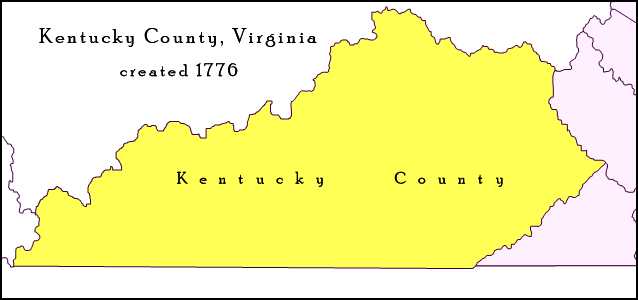
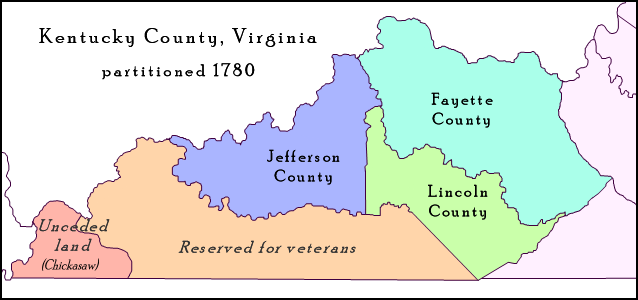
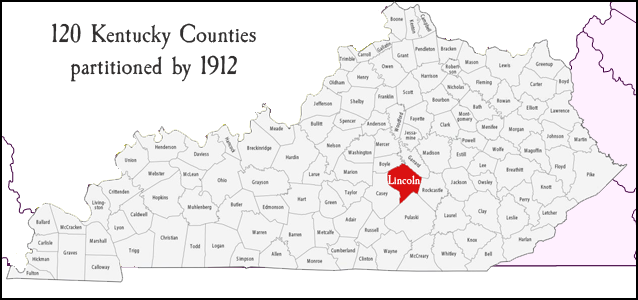
It was established on June 30, 1780 (some sources cite May or December dates for related actions, but June 1780 is the standard formation date), when the Virginia General Assembly divided the large Kentucky County, Virginia, into three counties: Lincoln, Fayette, and Jefferson. All were named for American Revolutionary War figures—Lincoln honored General Benjamin Lincoln, a key Continental Army officer.
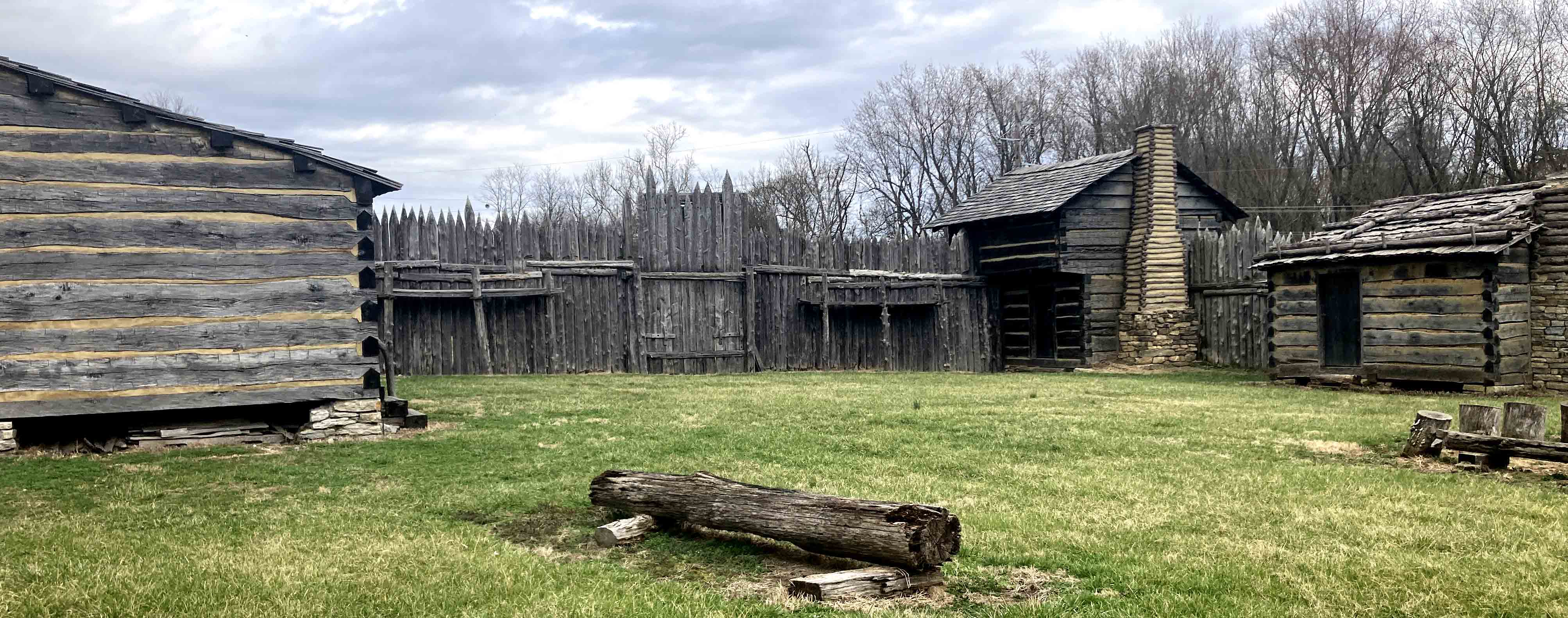
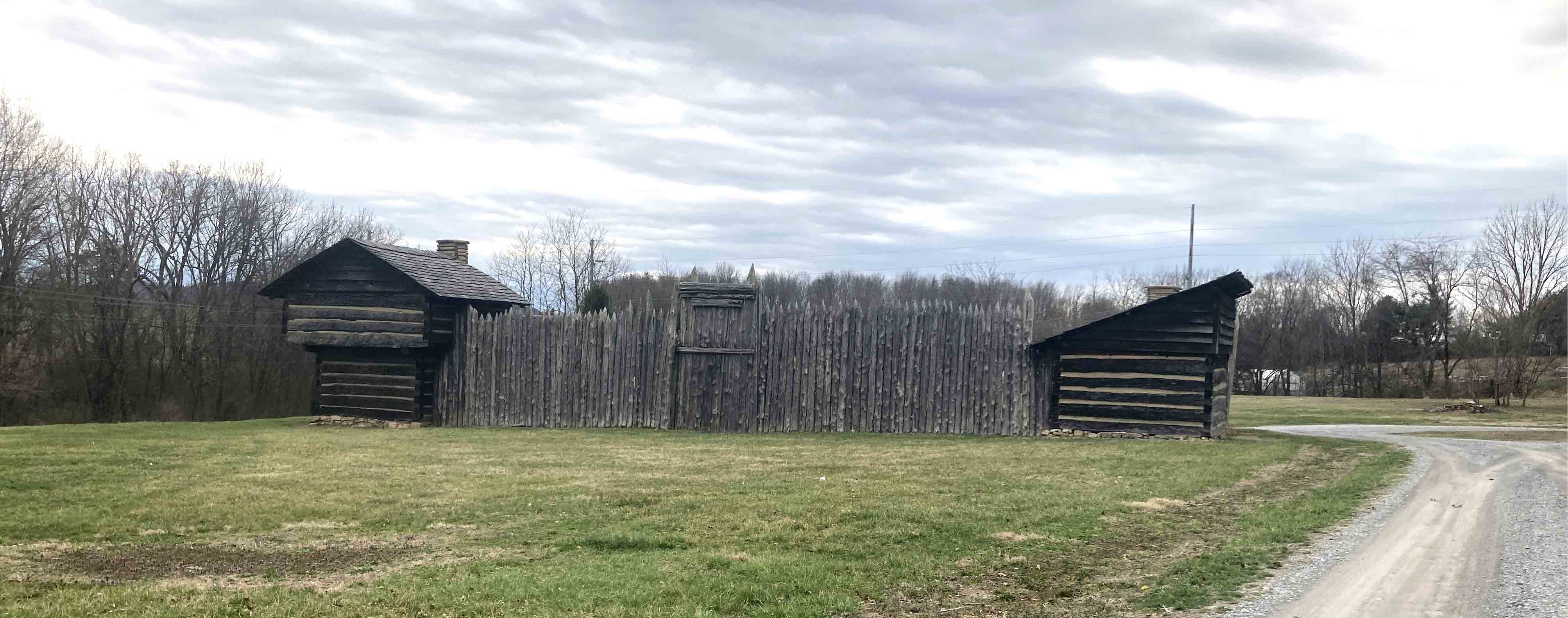
At the time, it was one of the very first counties in what would later become Kentucky (statehood came in 1792), and it was the largest of the three originals. Early settlement was driven by frontiersmen like Benjamin Logan, who built Logan's Fort (also called St. Asaph) around 1775–1776 near present-day Stanford—one of the earliest fortified settlements in Kentucky. Other notable early residents included Isaac Shelby (Kentucky's first governor), John Logan, and William Whitley. The original county seat was Harrodsburg, but after partitions in 1785–1786 (creating Mercer and Madison counties), the seat moved to Stanford in 1786, which remains the county seat today. Stanford was laid out on land associated with Benjamin Logan.
The county played a role in pioneer migration, lying along parts of the Wilderness Road, a vital route for settlers heading west. Over the decades, Lincoln County was further subdivided as new counties were formed from its territory (its modern boundaries stabilized around the 1840s). In the 19th century, it gained note for sites like Crab Orchard Springs, which became a popular hydrotherapy resort, and communities like Ottenheim, settled by Swiss-German immigrants. The county also has ties to early Kentucky institutions, including one of the state's oldest surviving courthouse record sets (from 1781). Today, Lincoln County preserves this heritage through historic sites like the William Whitley House (an early brick home), the courthouse area, and various markers highlighting its pioneer and Revolutionary-era roots.